
Description
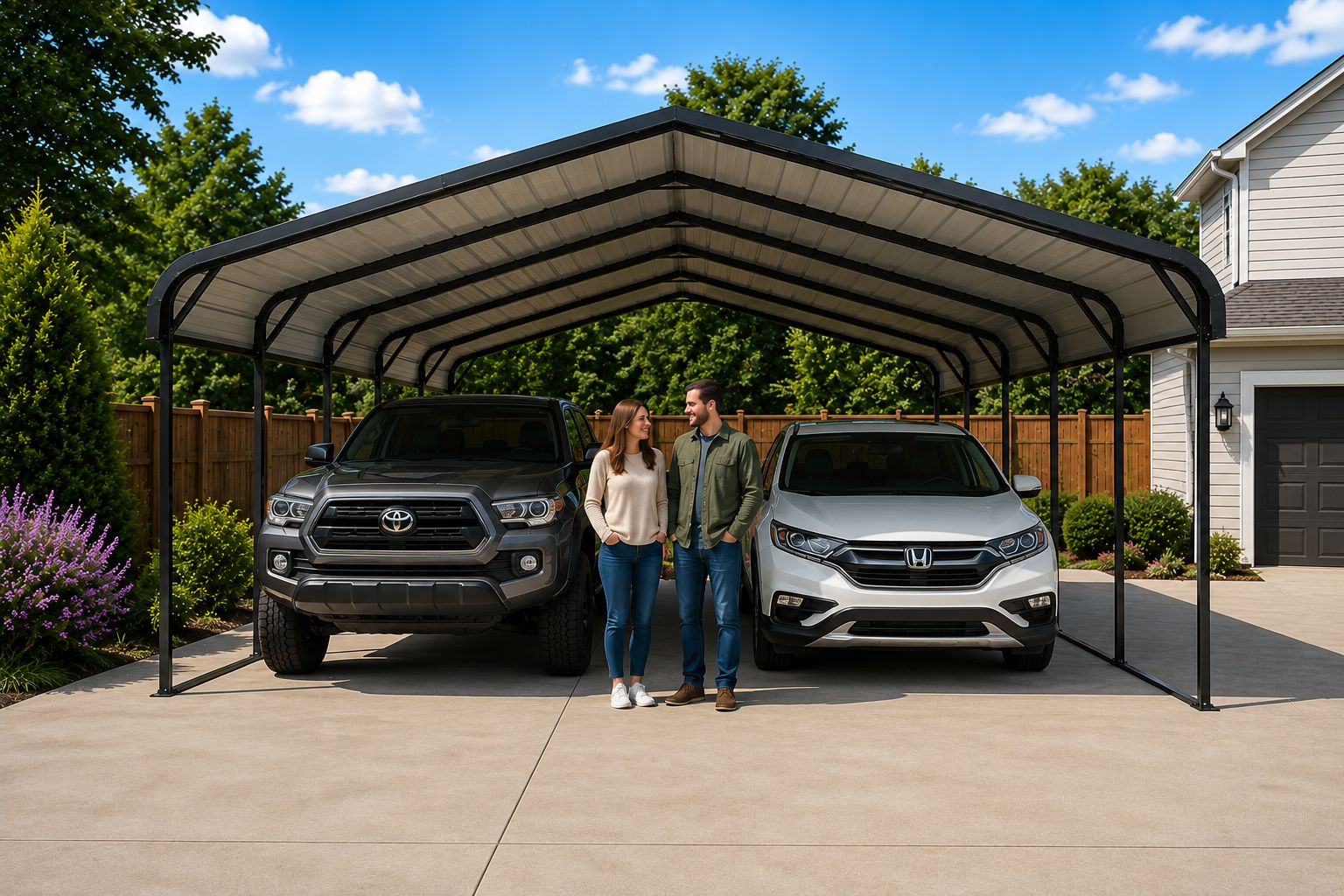
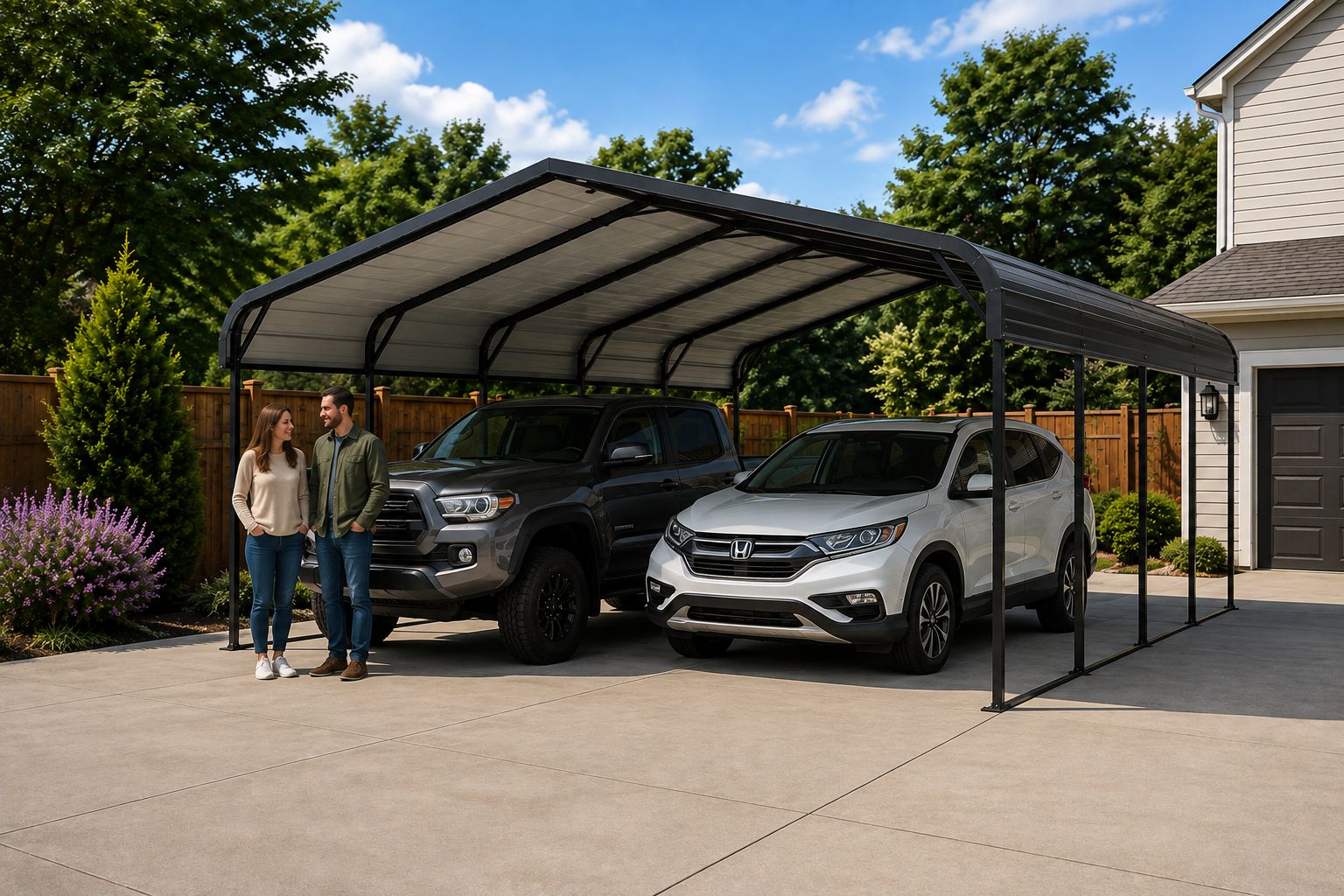
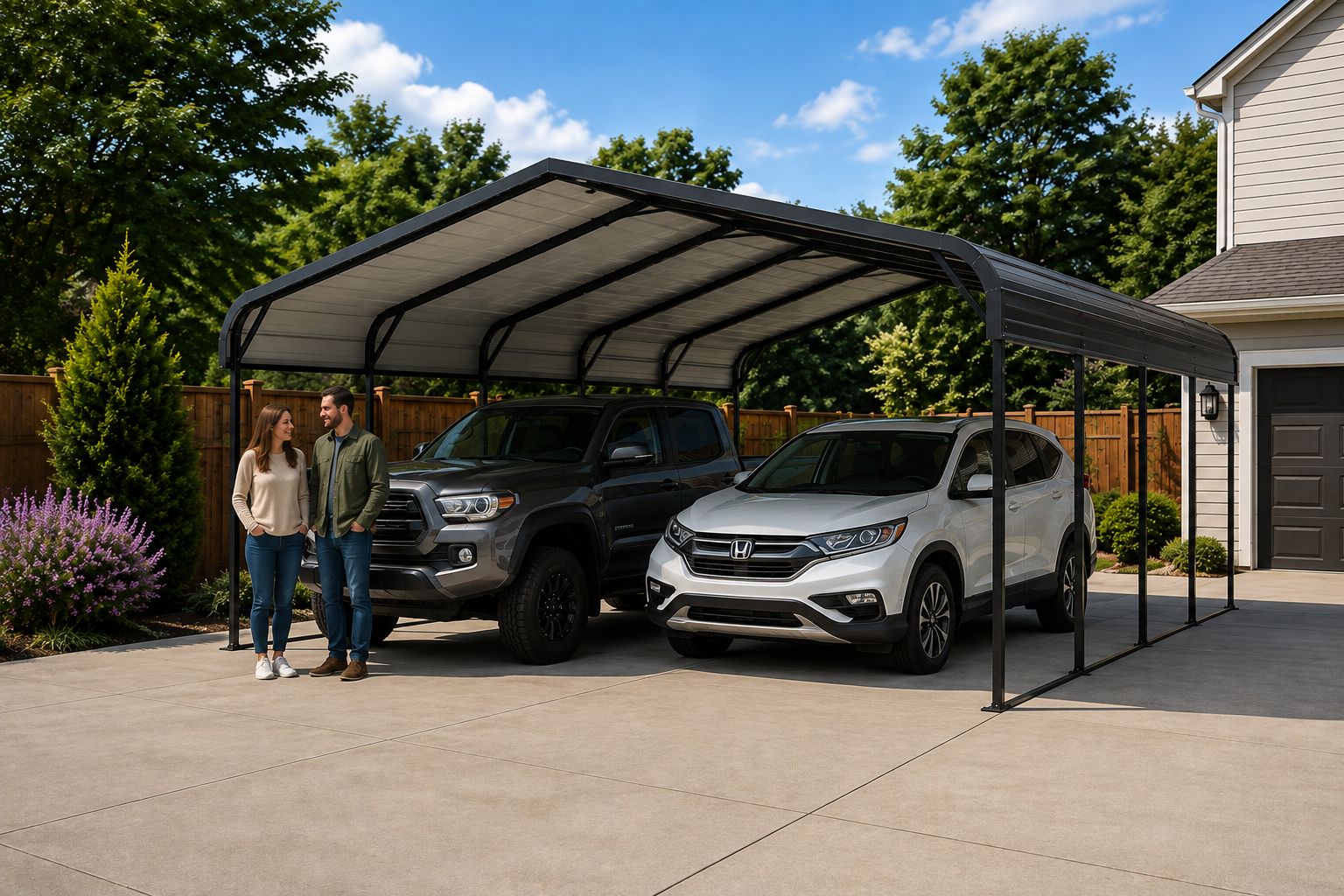
The TwinBay Shelter Steel 20×20 Carport provides an impressive approximately 385 square feet of covered space, giving you room to shelter two vehicles side-by-side or protect larger combinations of trucks, boats, tractors, lawn equipment, and recreational gear. Its nearly square 20′ x 20′ footprint makes it an especially versatile choice for homeowners who need substantially more width than a traditional single-vehicle carport.
- EXTRA-WIDE 20′ x 20′ COVERAGE: Measuring approximately 238″L x 233″W x 116″H, the TwinBay Shelter offers enough width to accommodate two vehicles side-by-side. The generous covered area can also be used for trucks, boats, tractors, lawn equipment, recreational gear, and other outdoor belongings.
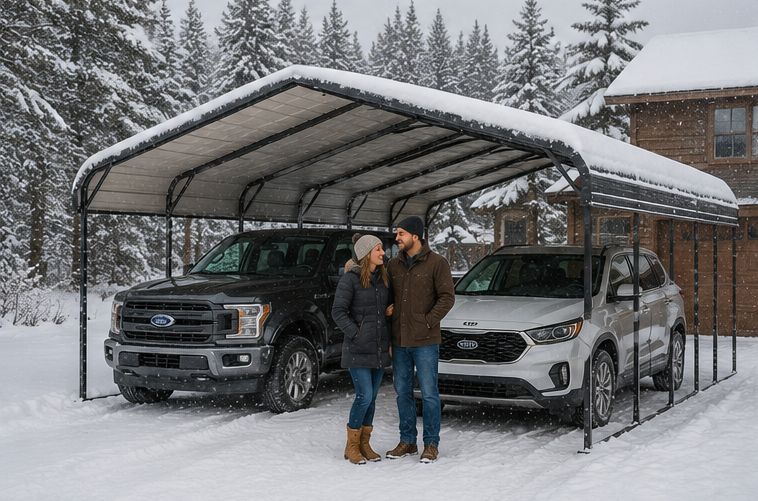
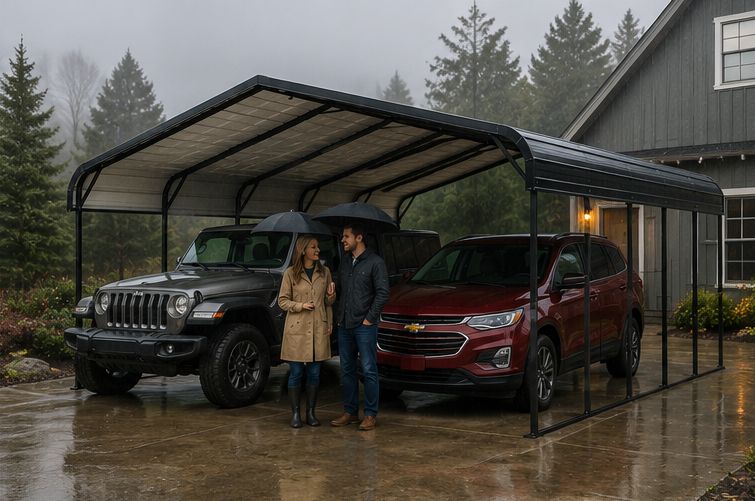
- HEAVY-DUTY GALVANIZED STEEL ROOF: Unlike fabric-covered shelters, this carport features a durable galvanized steel roof designed for long-term outdoor protection. Sealing tape and screw gaskets help reduce water penetration, while the sloped roof helps direct rain and snow away from the structure.
- REINFORCED GALVANIZED STEEL FRAME: A sturdy, rust-resistant galvanized steel frame and reinforced roof supports provide strength and stability for everyday outdoor use. The durable metal construction makes this a practical year-round shelter for vehicles and valuable equipment.
- SECURE GROUND ANCHORING: Upgraded base plates and included ground anchors help secure the carport when properly installed. Depending on installation requirements, the structure can be anchored on suitable surfaces such as concrete, dirt, or gravel for improved stability.
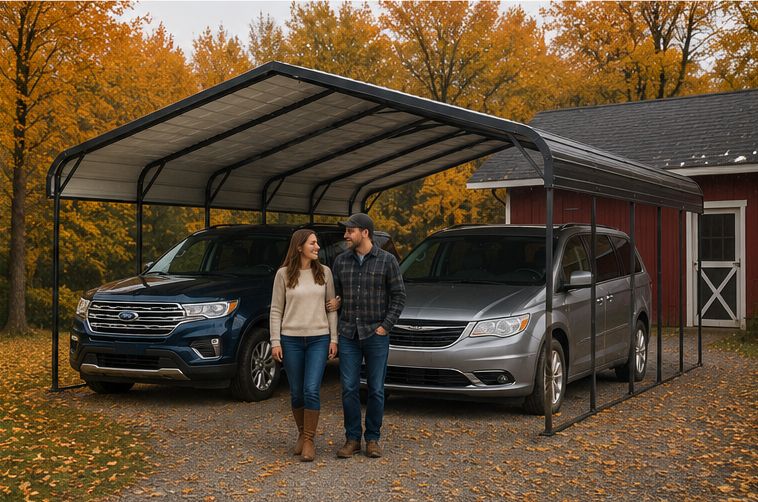
- VERSATILE DOUBLE-WIDE SHELTER: The spacious design isn’t limited to vehicles. Use it as covered storage for a boat and truck, tractor and equipment, ATVs, lawn and garden machinery, or create a protected outdoor area for projects, gatherings, and other activities.
- COMPLETE ASSEMBLY KIT: Clear assembly instructions and required hardware are included. The carport ships in five boxes, which may arrive separately, so all packages should be received before beginning assembly. Homeowners should also check applicable HOA rules and local building requirements before installation.


